
Arrest Warrants in Hardin County
Every Hardin County arrest-warrant question begins with the originating case and the court that issued the order. The clerk keeps the file and can spot later orders; the sheriff executes county process. The county has no public name-search page. A booking search, a state history request, or a Savannah citation interface cannot settle what the court's status is today. In Hardin County, an arrest warrant is a court order that lets an officer arrest someone and bring them before a magistrate or court. Tennessee Rule 4 governs a warrant or summons issued on a complaint. Before choosing either, an authorized judicial officer reviews the complaint and the probable-cause material. The court or magistrate issues the order, not the sheriff. Hardin County publishes no arrest-warrant search or sample listing. The clerk answers the record question, the sheriff answers service, and only the issuing court can confirm where things stand.
Hardin County Rule 4 Starts With a Complaint
Tennessee Rule 4 lays out how a warrant or summons comes from a complaint, once the required probable-cause review is done. The two work differently. A summons directs an appearance through its stated route. A warrant commands an arrest and a return before the court. The complaint or affidavit gives the magistrate the facts to weigh. Probable cause supports an arrest warrant under the rule; a summons may serve instead when the rule allows. The officer's job is then to bring the person before the court. The Tennessee criminal-rules index lists Rule 4, which sets the statewide framework rather than the outcome of any Hardin County case or warrant.
What a Hardin County Arrest Warrant Contains
When you ask the clerk to pull the record, give the case number or complaint reference from your paperwork and confirm the issuing division. Ask which charge is attached. Ask whether the warrant has been served, and whether a later order changed anything. Hardin County has no published sample warrant form or county-specific warrant-number format to check against. Rule 4 describes the core identifying and command details, but what a clerk can share depends on the fields allowed for that record. So ask directly which court and which order the entry refers to. That question gets you a real answer instead of a guess.
| Case reference | Use the case or process number printed by the court: court-issued number |
|---|---|
| Person description | Rule 4 calls for identifying information; do not publish a private person's details here. |
| Offense basis | The complaint or affidavit supports probable-cause review. |
| Issuing authority | Ask which magistrate or court entered the order. |
| Command | The warrant directs an authorized officer to bring the person before court. |
| Bond and date | Confirm any case-specific condition or hearing date with the issuing clerk. |
Hardin County Clerks Hold Court Entries
Criminal records in Hardin County can sit in more than one place. Circuit Criminal, General Sessions, Juvenile, and municipal courts are separate record routes, each with its own clerk. A county directory alone will not tell you which criminal office holds the file. The court clerk finder points you to the clerk in the county where the case began, and Tennessee Courts directs anyone with a warrant or case question the same way. One caution: the Clerk & Master is not automatically the criminal-process clerk. When staff transfer your call, state the court and the type of process up front. Hardin County inquiries move faster when the right office gets the right question.
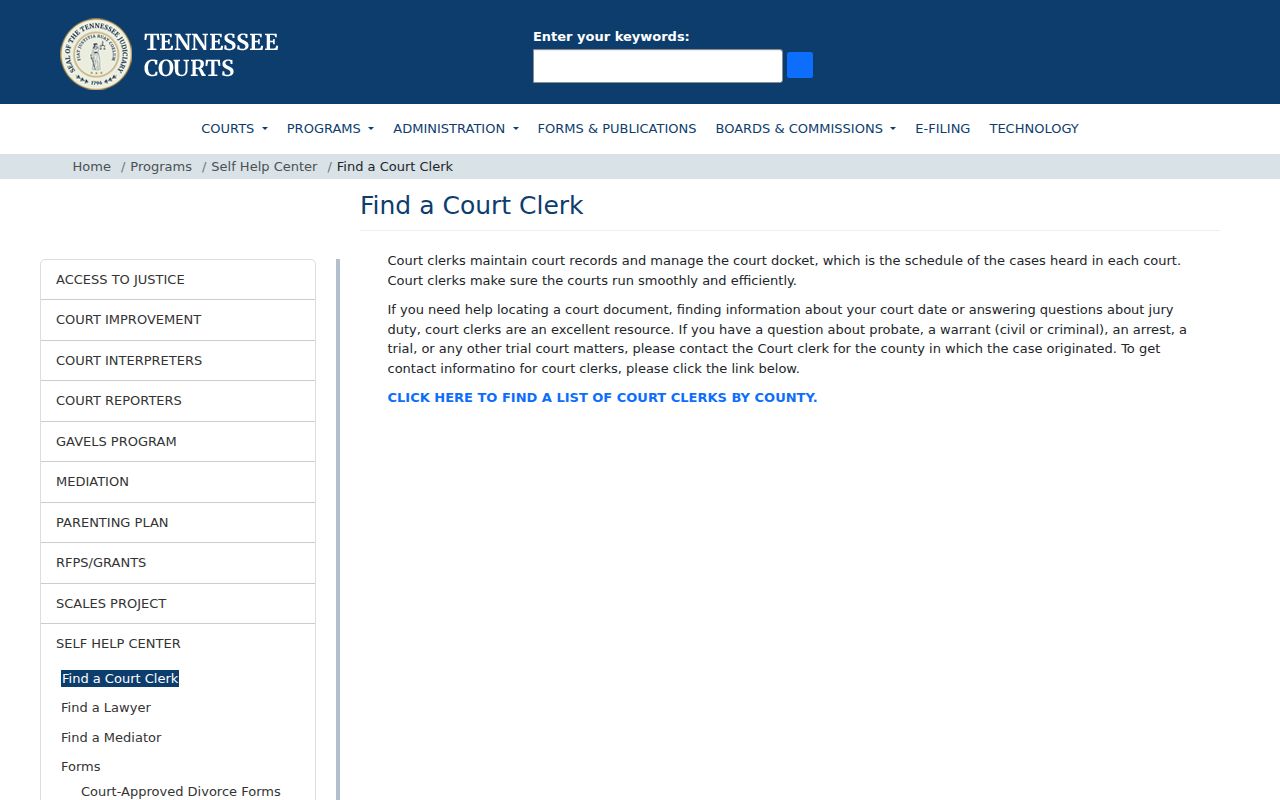
State the court division and process type when you call.
How Hardin County Arrest Warrants Are Served
Issuance and service are two different events. A warrant may sit unserved for a while before an officer acts. Once served, it goes back to court, and the clerk's docket may later show another order or setting. Ask the law-enforcement office about service. Ask the court about the file. Neither answer settles the status of a different case. Hardin County's sheriff is the county route for service and execution. Savannah Police and other city officers handle city-court process under local authority. No constable role in routine county warrant service is confirmed here. An officer's service return also does not tell you whether the court later recalled or quashed the order, so ask which agency holds the return and which clerk has the current entry. The sheriff's phone is 731-925-3377; there is no public warrant roster or walk-in policy.
Hardin County Service Is Separate From Issuance
The Sheriff's Department at 525 Water Street in Savannah is one county law-enforcement route, not the clerk for every city citation or federal warrant. If your paperwork names Savannah, Adamsville, Crump, Saltillo, or another jurisdiction, check whether county officers are involved before sending the case to the sheriff. Three separate jobs sit inside every warrant. A court or authorized magistrate decides whether to issue process. The clerk prepares or records it. An authorized officer serves it and returns the result. One office rarely answers all three questions. The TBI agency directory lists contact details for the Hardin County Sheriff's Department, though it is not a case-status system.
Hardin County Arrest Warrant vs Summons vs Bench Warrant
A summons asks a person to appear; it does not command an arrest. A bench warrant can follow a missed court obligation in an existing case. A Rule 4 arrest warrant follows probable-cause review on a complaint. See Hardin County bench warrants for the missed-appearance route.
| Feature | Arrest Warrant | Summons | Bench Warrant |
|---|---|---|---|
| What It Orders | Arrest and bring the person before court | Appear at a stated date or setting | Arrest or return for a missed court obligation |
| Basis | Complaint and probable-cause review | Process authorized by the rule or court | Nonappearance or another court trigger |
| Who Issues It | Authorized magistrate or court | Court or authorized officer under the rule | Issuing judge or court |
| How to Respond | Confirm with counsel and the issuing court | Follow the date and instructions on the summons | Ask the court about appearance, recall, or quash |
Hardin County Citation Notices Can Escalate
A traffic citation on its own is no arrest warrant. Miss the court date, though, and the court can take further action under applicable law. The court and county named on the paper tell you where to ask. Savannah's citation interface will not search county criminal process. A license hold, a booking entry, or a criminal-history result does not prove a current Hardin County arrest warrant either. Only the court's exact status counts, so confirm it there.
Hardin County Arrest Warrant Records Follow Rule 34
Tennessee Rule 34 sets out who may see court records and what stays closed. Statutes, other rules, and standing court orders can shield confidential material, so a public request never opens sealed, juvenile, or protected files. Ask a clerk to pull the right court file and show you which parts are public. The Tennessee Rule 34 page lays out that access framework statewide, so Hardin County cases follow the same rule. The page covers the rule itself, not any single warrant or case result.
Ask the Hardin County clerk how to request a case-specific record and whether any portion is restricted from public view.
What to Do If a Hardin County Arrest Warrant May Involve You
If you think a Hardin County arrest warrant may involve you, start with the clerk for the issuing division. Ask what public status the clerk can confirm. Confirming an entry does not settle the case, and only the issuing court can recall or quash the warrant. Before acting, ask which court issued the process, whether the clerk shows an active warrant, and whether a motion or hearing makes sense. A Tennessee attorney can verify the court, file that motion, and advise whether surrender or bond fits your situation. Hardin County publishes no local instructions for a safe surrender location, a guaranteed release amount, or walk-in intake. There is no county bond schedule or local motion form either. Save the clerk's written response with your case papers. Keep any later court order there too.
Important: Speak with counsel before arranging an appearance or surrender; confirm the current process with the issuing court first.